




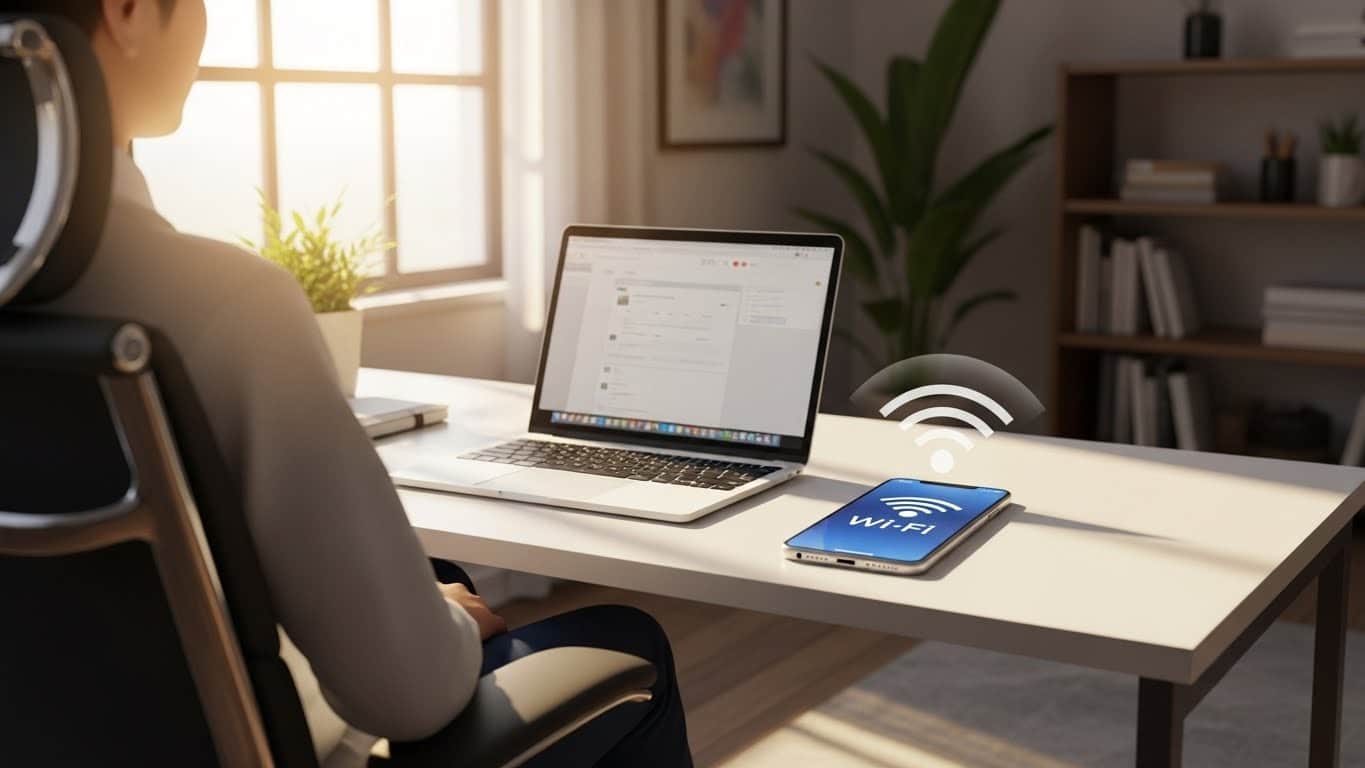
Staying connected at home is more important than ever. Whether it’s for working remotely, helping kids with school, streaming your favorite shows, or just keeping in touch with family and friends, a reliable internet connection has become a must-have. But let’s be honest—monthly Wi-Fi bills can be expensive. The good news is, you don’t always have to spend a fortune to get online. There are legal, smart, and budget-friendly ways to access Wi-Fi at home without paying full price.
Here’s a complete guide to getting internet at home without breaking the bank.
1. Make Use of Nearby Public Wi-Fi
One of the simplest ways to save money is to connect to public Wi-Fi hotspots. Many cafés, libraries, restaurants, and even parks offer free internet access.
How to do it:
- Check for nearby cafés, libraries, or public areas with free Wi-Fi.
- If your home is close enough, consider using a Wi-Fi extender or repeater to boost the signal into your house.
⚠ Safety Tip: Public Wi-Fi is often unsecured, which can put your personal information at risk. Always use a VPN to keep your online activity private and secure.
2. Use Mobile Data Smartly
Your smartphone can be a powerful tool to get Wi-Fi at home.
Options:
- Mobile Hotspot / Tethering: Turn your phone into a hotspot and connect your laptop, tablet, or other devices.
- Carrier Wi-Fi Partnerships: Some mobile providers offer free access to certain Wi-Fi networks in your city or neighborhood.
💡 Pro Tip: Monitor your data usage carefully. Overusing mobile data can lead to extra charges or reduced speeds.
3. Check Community Wi-Fi Programs
In many neighborhoods, there are community Wi-Fi initiatives to provide free or low-cost internet. These programs are often supported by local governments, nonprofits, or community centers.
How to find them:
- Contact your local government or community organizations to learn about available programs.
- Some neighborhoods allow residents to share Wi-Fi connections, helping everyone save money.
Availability varies depending on location, so always check for eligibility and terms.
Read This: How to Upgrade Your Device from 4G to 5G
4. Take Advantage of ISP Promotions
Internet providers often run free trials or discounted plans to attract new customers.
Ways to save:
- Many ISPs offer 30-day free trials or discounted plans for first-time users.
- Keep an eye out for deals that waive installation fees or provide extra data.
These promotions are especially useful if you only need Wi-Fi for a short period or want to test a provider before committing.
5. Ask Your Neighbors
If you have a good relationship with your neighbors, sharing Wi-Fi can be a win-win.
How it works:
- Split the cost: Offer to pay a portion of their bill.
- Short-term access: Ask for temporary use, especially if their connection is strong and underused.
Clear communication is key to avoid misunderstandings. Make sure both sides agree on the terms.
6. Use a Mobile Hotspot Device
A mobile hotspot device is a small gadget that lets you share cellular internet with multiple devices.
Benefits:
- No long-term contract required
- Prepaid or pay-as-you-go data plans
- Portable and easy to set up
Some providers even include bonus data or promotional offers when purchasing the device. While it may not replace a full-time home Wi-Fi for heavy usage, it’s perfect for temporary or backup internet needs.
Conclusion
Paying for a traditional home Wi-Fi plan is still the most reliable option for many, but it’s not the only way to stay online. By leveraging public hotspots, mobile data, community programs, ISP promotions, or even neighbor-sharing, you can enjoy internet access at home without stretching your budget.
Always stay within legal and ethical boundaries, and protect your privacy by using a VPN, especially on public networks. With a little creativity and planning, you can stay connected without overspending.